As environmental pollution and climate change continue to pose pressing global challenges, Vietnam is steadily strengthening its legal framework to improve waste management and promote the adoption of sustainable material solutions. New policy proposals to tighten environmental regulations, coupled with the roadmap to reduce single-use plastics, are expected to create strong momentum for the transition toward a green circular economy while accelerating the adoption of compostable materials and products.
New Policies Paving the Way for Sustainable Materials
Vietnam’s draft amendments to the 2026 Criminal Code, proposed by the Ministry of Public Security, introduce stricter criminal penalties for violations related to municipal solid waste management and environmentally harmful waste discharge. The proposal addresses persistent issues such as illegal waste burning, improper landfilling, and illegal waste disposal at manufacturing facilities, residential areas, and traditional craft villages – practices that continue to threaten environmental quality and public health.
According to Vietnam Law Newspaper, the proposed environmental offenses are intended not only to strengthen legal deterrence but also to safeguard public health while reinforcing environmental security as a cornerstone of sustainable socio-economic development.
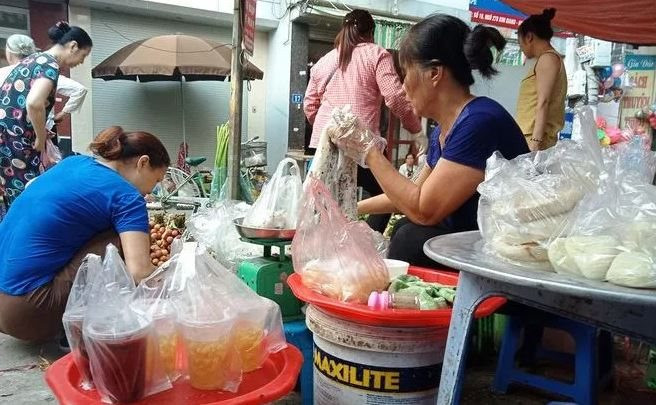
Meanwhile, Hanoi has launched its 2026-2030 roadmap to gradually reduce the use of non-biodegradable plastic bags and single-use plastic products across supermarkets, shopping malls, traditional markets, and service sectors. These initiatives reflect a broader shift from waste management to source-level pollution prevention, creating favorable conditions for the wider adoption of compostable materials and products.
Compostable Products: A Sustainable Solution for the Green Transition
As environmental regulations continue to tighten worldwide, compostable products are emerging as a preferred alternative to conventional plastics, supporting the global shift toward more sustainable consumption and production.
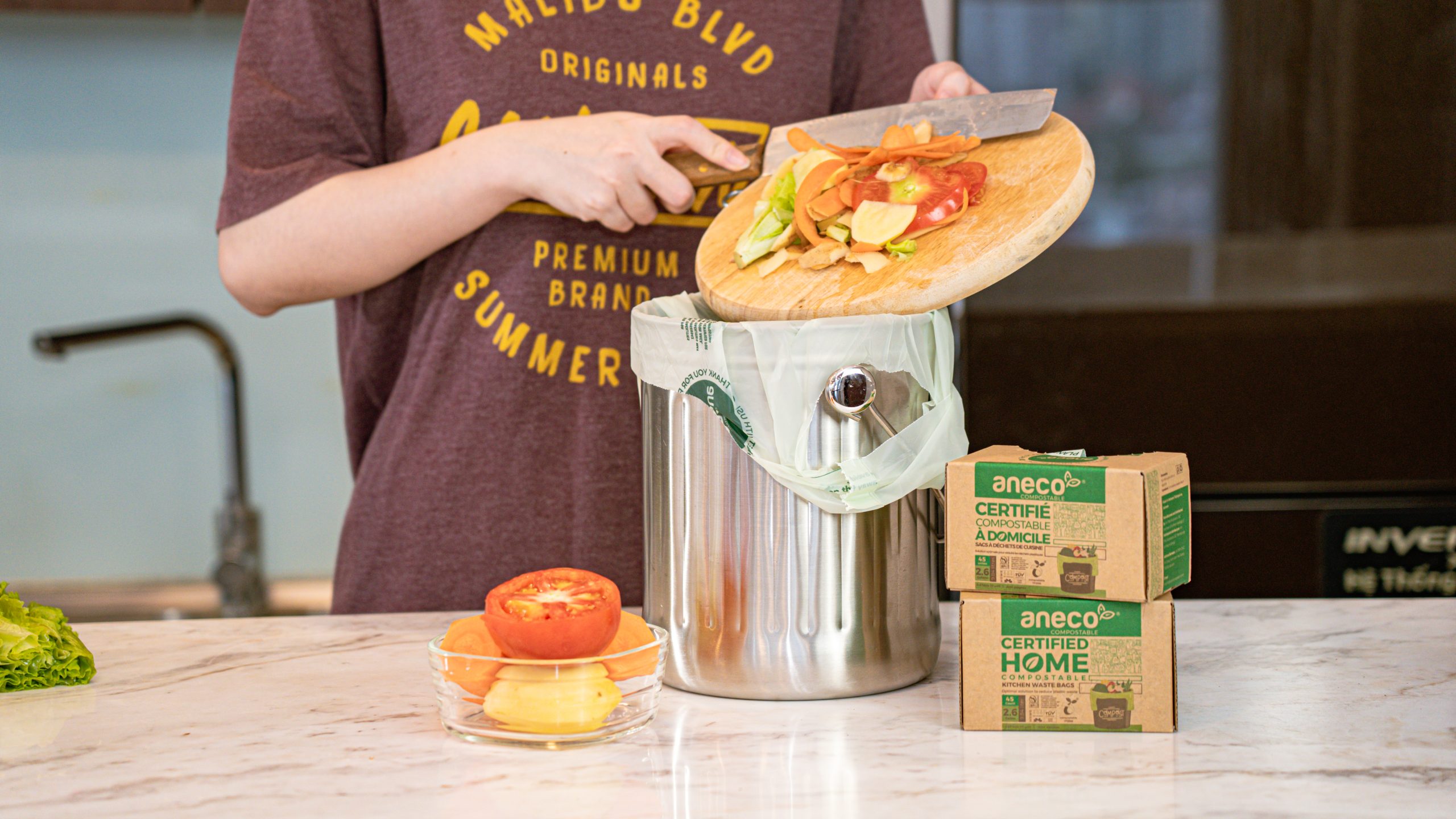
Unlike traditional plastics, which may remain in the environment for hundreds of years, products made from compostable materials are designed to decompose into water (H₂O), carbon dioxide (CO₂), and biomass under appropriate composting conditions. This helps reduce persistent plastic waste while contributing to the development of a circular economy.
The increasing adoption of fully compostable products not only enables businesses to meet increasingly stringent environmental requirements in international markets but also supports Vietnam’s long-term vision for sustainable development.
An Phat Bioplastics: Driving Sustainable Consumption
As a pioneer in compostable materials in Vietnam, An Phat Bioplastics continues to invest in research and development to deliver innovative alternatives to conventional plastics.
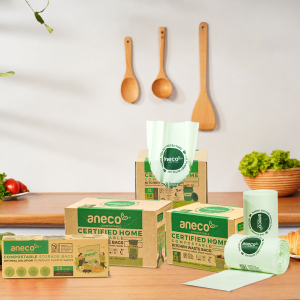
Through its consumer brand, AnEco, the company offers a diverse portfolio of compostable products, including trash bags, food storage bags, kitchen gloves, and other environmentally friendly solutions designed for everyday use.
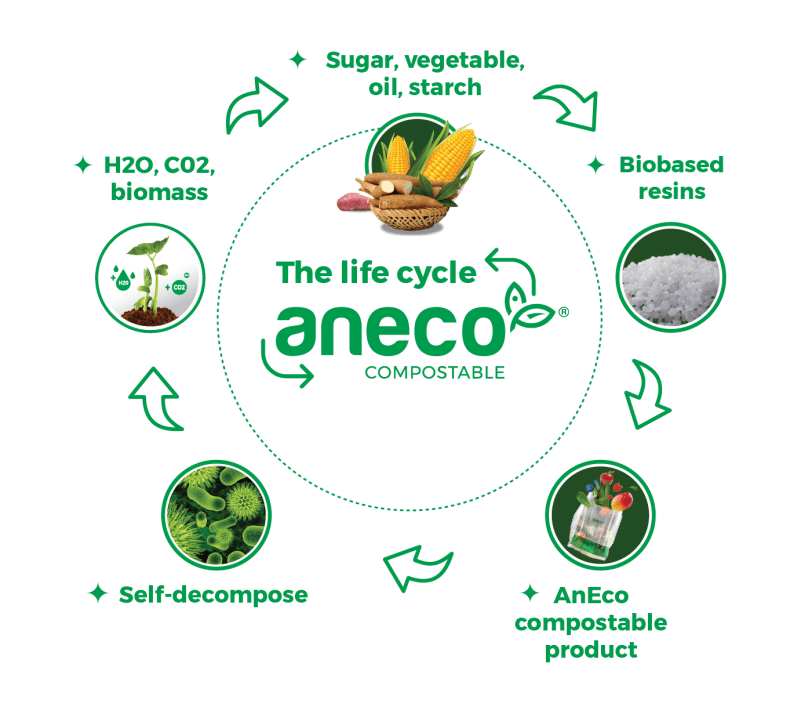
What sets AnEco apart is its green lifecycle. Products are made from renewable plant-based materials, including starch, sugar, vegetable and oil, which are processed into compostable materials before being manufactured into everyday consumer products.
At the end of their life cycle, AnEco products decompose into water (H₂O), carbon dioxide (CO₂), and biomass under appropriate composting conditions, enriching the soil and completing a natural circular lifecycle. This lifecycle approach reflects An Phat Bioplastics’ long-term commitment to advancing the circular economy and promoting sustainable consumption.
Building a Plastic Waste-Free Future Together
Vietnam’s strengthened environmental regulations, coupled with its roadmap to reduce the use of single-use plastics, reflect the country’s strong commitment to tackling plastic pollution and advancing sustainable development. However, the success of these initiatives will depend not only on effective policy implementation but also on the active participation of businesses and consumers in adopting more sustainable consumption habits.
Choosing compostable products is more than an environmentally responsible choice – it is a practical step toward reducing plastic waste, advancing the circular economy, and supporting long-term sustainable development.
Backed by strong research and development capabilities, An Phat Bioplastics remains committed to delivering innovative compostable material solutions through the AnEco brand. By providing sustainable alternatives to conventional plastics, the company continues to contribute to a future where economic growth goes hand in hand with environmental protection.